
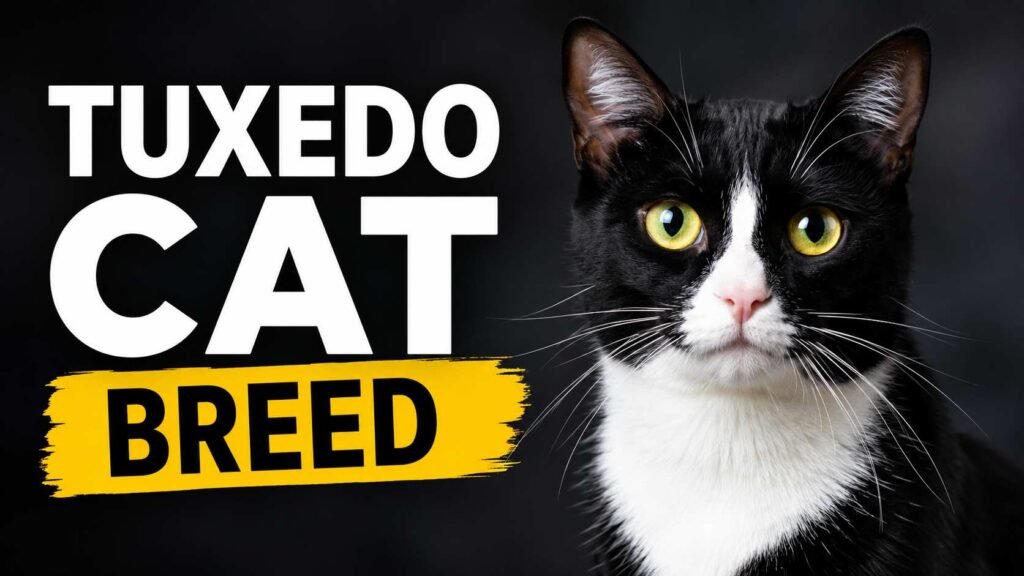
The tuxedo cat breed — with its iconic black-and-white coat — is one of the most recognisable and beloved felines in the world. Whether you’ve spotted one prowling your neighbourhood or are considering adopting a tuxedo kitten, understanding this cat’s genetics, personality, care needs, and health will help you become a more confident pet parent.
What Is a Tuxedo Cat Breed?
A tuxedo cat is not a distinct breed — it is a bicolor coat pattern characterised by a predominantly black body with white markings on the chest, belly, paws, and sometimes the face. The contrast gives these cats the appearance of wearing a formal tuxedo suit, hence the name. The pattern can appear in dozens of breeds, including the American Shorthair, Maine Coon, British Shorthair, Norwegian Forest Cat, and Scottish Fold.
Because tuxedo cats span many breeds and mixed-breed domestic cats, their physical characteristics — size, coat length, eye colour, and temperament — vary widely. What they share is their distinctive black-and-white colour pattern, which is governed by the piebald (S) gene responsible for white spotting.
Tuxedo Cat Genetics Explained
The tuxedo cat coat pattern results from the interaction of two genetic factors: the gene for black (eumelanin) pigmentation and the piebald white-spotting gene (S locus). When a cat inherits a partially expressed S allele, white fur develops in specific areas — typically the ventral (belly) surface and extremities — while black dominates the dorsal (back) regions.
Both male and female cats can carry the tuxedo pattern with equal frequency. Unlike calico or tortoiseshell colouring — which is linked to the X chromosome — the tuxedo pattern is not sex-linked. This means you are just as likely to encounter a female tuxedo cat as a male one.
Tuxedo Cat Personality & Temperament
The tuxedo cat personality is shaped more by breed background, early socialisation, and individual genetics than by coat colour. That said, anecdotal reports from thousands of tuxedo cat owners consistently highlight a set of shared traits: these cats are often described as playful, loyal, vocal, and remarkably dog-like in their affection toward their owners.
Many tuxedo cats adapt well to multi-pet households and are known to be tolerant of children when introduced calmly. Their sociable nature makes them excellent companions for first-time cat owners. For more on interpreting your cat’s social cues, read our article on cat behaviours that mimic autism-like traits.
Common Tuxedo Cat Breeds
The tuxedo pattern can occur across a wide range of recognised breeds. Your tuxedo cat’s breed determines its size, coat type, health risks, and care needs far more than its colour pattern does. Below are the most common breeds found with tuxedo colouring:
Tuxedo Cat Breed Comparison Table
The table below compares key characteristics across the most common breeds that display the tuxedo cat pattern. Use this to match a tuxedo cat breed to your lifestyle.
| Breed | Size | Grooming | Energy | Kid-Safe | Hypoallergenic |
|---|---|---|---|---|---|
| American Shorthair | Medium | Low | Moderate | ✅ Yes | ❌ No |
| Maine Coon | Large | High | Moderate | ✅ Yes | ❌ No |
| British Shorthair | Medium-Lg | Low | Low | ✅ Yes | ❌ No |
| Norwegian Forest | Large | High | Moderate | ✅ Yes | ❌ No |
| Scottish Fold | Small-Med | Low | Low | ✅ Yes | ❌ No |
| Domestic Shorthair | Varies | Low | Moderate | ✅ Yes | ❌ No |
| Cornish Rex | Small-Med | Minimal | High | ✅ Yes | ⚠️ Partial |
Tuxedo Cat Lifespan & Longevity Factors
A healthy indoor tuxedo cat lifespan ranges from 12 to 20 years, with many cats living well into their mid-teens when given proper veterinary care. Outdoor tuxedo cats have a significantly shorter average lifespan — typically 2 to 5 years — due to traffic, predators, and disease exposure.
Tuxedo Cat Health Concerns
Because the tuxedo cat is a colour pattern rather than a single breed, there are no health conditions unique to the pattern itself. Health risks depend entirely on the cat’s breed, genetics, age, and lifestyle. Common concerns that affect many tuxedo cats are the same ones seen across all domestic felines:
| Health Condition | Risk Level | Prevention | Signs to Watch |
|---|---|---|---|
| Obesity | Moderate | Portion control, exercise | Difficulty grooming, lethargy |
| Dental Disease | Moderate-High | Regular brushing, dental chews | Bad breath, drooling |
| Hypertrophic Cardiomyopathy | Breed-Specific | Annual cardiac screening | Laboured breathing, fatigue |
| Urinary Tract Issues | Moderate | Hydration, wet food diet | Straining, blood in urine |
| Parasites | Preventable | Monthly prevention products | Excessive scratching, hair loss |
| Respiratory Issues | Breed-Specific | Avoid brachycephalic breeds | Noisy breathing, open-mouth |
Tuxedo Cat Grooming & Coat Care
Grooming needs for a tuxedo cat depend on coat length. Short-haired tuxedo cats require only a weekly brush with a soft slicker brush or rubber grooming mitt to remove loose fur and reduce shedding. Long-haired tuxedo cats — such as tuxedo Maine Coons or Norwegian Forest Cats — need brushing at least three times per week to prevent painful matting.
Beyond coat care, all tuxedo cats benefit from regular nail trims every 2–4 weeks, dental brushing or dental treats to reduce tartar, and routine ear checks to prevent buildup. Introduce grooming routines early in tuxedo kittens for the best long-term compliance.
Complete Tuxedo Cat Care Guide
Nutrition
Feed high-quality protein-rich food appropriate to age, weight, and breed. A mix of wet and dry food supports hydration and dental health. Always provide fresh water.
Grooming
Brush short-haired cats weekly; long-haired tuxedos 3× per week. Trim nails every 2–4 weeks. Brush teeth 2–3× weekly with cat-safe toothpaste.
Exercise
Provide cat trees, puzzle feeders, wand toys, and at least 15–20 minutes of interactive play daily to maintain a healthy weight and mental stimulation.
Veterinary Care
Annual wellness exams, core vaccines, fecal testing, parasite prevention, and dental planning. Senior cats need biannual check-ups. Estimated annual cost: $300–$800 USD.
Mental Enrichment
Rotate toys, use puzzle feeders, offer window perches, and allow safe outdoor time via catios or leash training to prevent boredom-related behaviours.
Litter Box
Maintain one litter box per cat plus one extra. Scoop daily, full-clean weekly. Place in a quiet, accessible location away from food and water bowls.
The Historical Legacy of the Tuxedo Cat
The tuxedo cat has one of the longest and most storied histories of any cat pattern in human civilisation. From ancient Egypt to modern pop culture, these black-and-white felines have captured hearts across every era.
Tuxedo Cat Diet & Nutritional Needs
A tuxedo cat’s nutritional needs are governed by its breed, age, activity level, and health status — not its colour. The core principle: high-quality, minimally processed animal protein should be the foundation of every meal. Obesity is one of the most common health threats facing tuxedo cats, making caloric monitoring essential.
| Life Stage | Daily Calories | Protein % | Meal Frequency | Key Nutrients |
|---|---|---|---|---|
| Kitten (0–12 months) | 200–300 kcal | ≥ 30% | 3–4× daily | DHA, calcium, phosphorus |
| Adult (1–7 years) | 180–250 kcal | ≥ 26% | 2× daily | Taurine, omega-3, zinc |
| Senior (7+ years) | 150–220 kcal | ≥ 28% | 2–3× daily | Joint support, antioxidants |
| Overweight | Vet-prescribed | ≥ 30% | 2× measured | L-carnitine, high fibre |
Average Monthly Cost of Owning a Tuxedo Cat
Budgeting for a tuxedo cat means accounting for routine care, veterinary costs, food, litter, and enrichment. Costs will vary based on your location and the specific breed of your tuxedo cat.
Tuxedo Cat vs. Other Coat Patterns
Pet owners often confuse the tuxedo cat pattern with similar coat types. Understanding the differences helps set accurate expectations for your cat’s genetics and appearance.
| Pattern | Primary Colours | Gene Responsible | Sex-Linked? | Commonality |
|---|---|---|---|---|
| Tuxedo (Bicolor) | Black + White | S (Piebald) | No | Very Common |
| Calico | Black, White, Orange | X chromosome | Yes (99% female) | Moderate |
| Tortoiseshell | Black + Orange | X chromosome | Yes (mostly female) | Moderate |
| Tabby | Striped, agouti | Agouti (A) | No | Most Common |
| Solid Black | Black only | Recessive non-agouti | No | Common |
| Van Pattern | Mostly white + colour cap | High-grade S gene | No | Less Common |
Adopting a Tuxedo Cat or Tuxedo Kitten
Tuxedo cats are widely available at animal shelters, rescue organisations, and reputable breeders. Because the tuxedo pattern appears in domestic mixed-breed cats as well as purebreds, shelter adoption is an excellent option. Shelter tuxedo cats are often already spayed or neutered, microchipped, and vaccinated, which reduces initial costs significantly.
When adopting a tuxedo kitten, ask the rescue or breeder about the parents’ breed background — this will give you a clearer picture of adult size, coat length, grooming needs, and potential health risks. A tuxedo cat from a shelter typically costs $50–$200 USD in adoption fees. Purchasing a purebred tuxedo cat from a registered breeder can range from $500 to over $2,000 depending on the breed.


One thing that stands out is the reminder that tuxedo cats aren’t actually a separate breed but a coat pattern that can appear across many different breeds. That helps explain why tuxedo cats can vary so much in size, coat length, and personality. It would be interesting to learn more about how the piebald gene influences the unique white markings each cat develops.