The angora cats splendor is not simply a phrase — it is a lived experience shared by every owner who has watched silken fur catch morning light or felt a gentle paw press against their hand. Originating from the ancient city of Ankara (formerly Angora), Turkey, this breed has captivated royalty, artists, and everyday cat lovers for centuries. Today, understanding the full depth of angora cats splendor means exploring their history, physical beauty, personality, health needs, and the precise care rituals that keep them thriving.
A Royal Heritage: The Origin of Angora Cats Splendor
The story of angora cats splendor begins in the high plateaus of central Anatolia, where these long-haired cats developed their distinctive coats as natural protection against harsh winters. French and European royalty first encountered them in the 15th and 16th centuries, immediately recognizing their exceptional beauty. They became prized gifts exchanged between courts across the continent.
By the early 20th century, widespread crossbreeding with Persians had nearly erased the pure Turkish Angora bloodline. Recognizing this crisis, the Ankara Zoo launched a dedicated preservation program — one of the earliest formal breed-rescue initiatives in feline history. Today, Turkey considers the white angora cat a national treasure protected by law. The Cat Fanciers’ Association (CFA) accepted white Turkish Angoras for registration in 1968 and for Championship competition in 1972, formally restoring the angora cats splendor on the world stage.
The Visual Signature of Angora Cats Splendor
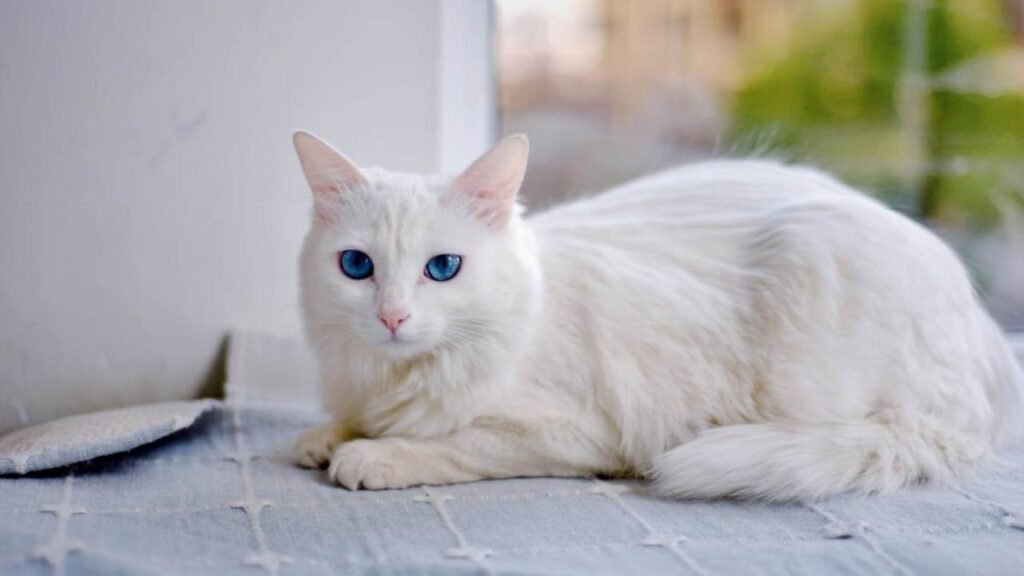
No conversation about angora cat splendor is complete without examining what makes them visually arresting. Their single-layer, silky coat lacks the dense undercoat found in most long-haired breeds — a unique structural feature that gives the fur a weightless, flowing quality. In natural light, the coat appears to shimmer, almost translucent at the tips. This low-shedding, long coat often surprises new owners who expect constant grooming battles.
While the iconic white angora cat dominates public imagination, the breed actually presents in a wide spectrum: solid black, blue, cream, red, tortoiseshell, bicolor, and tabby patterns. Coat color does not alter temperament, but it significantly contributes to the visual diversity of angora cats splendor. Equally notable are the eyes — large, almond-shaped, and appearing in gold, amber, green, or blue. Many individuals display heterochromia (two different eye colors), a trait so striking it has become a defining symbol of the breed.
| Physical Feature | Description | Distinction |
|---|---|---|
| Coat Texture | Single-layer, fine, silky, flowing | No dense undercoat |
| Coat Colors | White, black, blue, cream, red, tortoiseshell, tabby | 20+ recognized patterns |
| Eye Color | Gold, amber, green, blue, or heterochromatic | Odd eyes possible |
| Body Type | Medium, lithe, athletic, long slender legs | Compact muscle tone |
| Head Shape | Wedge-shaped, wide-set ears, tapering tail | Regal profile |
| Shedding Level | Low-to-moderate; heavier in spring | Less than most longhairs |
Personality: What Makes Angora Cats Splendor Truly Special
The angora cats splendor runs far deeper than physical appearance. These cats are widely regarded as one of the most intelligent and playful cat breeds in the domestic feline world. Unlike more reserved breeds, Angoras actively seek human companionship — they will follow owners from room to room, investigate every activity, and insert themselves into conversations with quiet authority. This makes them particularly well-suited to active households with children or other pets.
Owners consistently describe their Turkish Angora as emotionally perceptive. They read the energy of a room, gravitating toward calm individuals when the environment is loud and becoming more animated during playful moments. They communicate through subtle gestures — kneading soft surfaces, rubbing against limbs, sitting in proximity without demanding attention. This nuanced expressiveness is part of what gives angora cats splendor its profound emotional quality. For deeper guidance on understanding feline behavior, visit Vetiana’s Behavior & Training resources.
Grooming the Angora Cats Splendor: Elegance Maintained
Maintaining the angora cats splendor coat requires consistent but surprisingly manageable effort. Because the fur is single-layered without a dense undercoat, it tangles far less than Persian coats. Experts recommend brushing with a wide-toothed comb or soft-bristle brush at least twice weekly — ideally three times for cats in active shedding phases (typically spring). Regular grooming sessions also strengthen the human–cat bond and allow early detection of skin irregularities.
Beyond the coat, proper angora cat care involves routine ear checks, nail trims every two to three weeks, and periodic dental hygiene. The ears of white, blue-eyed Angoras deserve special attention: a genetic link between blue eyes and congenital deafness exists in this breed, meaning aural health monitoring is especially important. For comprehensive feline health maintenance guidance, Vetiana’s Health & Wellness section provides clinically reviewed protocols.
Nutrition That Preserves Angora Cats Splendor
Diet is the single most controllable factor in sustaining the angora cats splendor coat from within. As obligate carnivores, Turkish Angoras derive all essential nutrients from animal protein. High-quality commercial wet food or a balanced raw diet delivers moisture that supports kidney health — a known concern in aging Angoras — while also nourishing coat shine and muscle tone. Essential fatty acids (omega-3 and omega-6) are particularly important for preserving the silky texture that defines the breed’s visual appeal.
Kittens under 12 months need protein and calcium-dense formulations designed for growth stages. Adult indoor Angoras, especially those that are spayed or neutered, benefit from calorie-controlled recipes to prevent weight gain. Senior cats above 10 years may benefit from formulas containing glucosamine and chondroitin to support joint health. Hydration remains critical at every life stage — ASPCA cat nutrition guidelines recommend access to fresh water at all times alongside wet food intake.
Health Considerations for Angora Cats Splendor
The Turkish Angora is generally a robust breed with few breed-specific conditions compared to many pedigreed cats. Their typical lifespan of 12–18 years reflects good underlying genetics when supported by proper care. Still, being aware of potential health concerns helps owners catch issues early and preserve the full angora cats splendor for as long as possible.
The two most clinically significant conditions are hypertrophic cardiomyopathy (HCM) — a thickening of the heart muscle — and patellar luxation, a joint condition affecting the kneecap. Annual veterinary evaluations including cardiac auscultation and orthopedic assessment are strongly recommended. Indoor living is consistently linked to longer lifespans, protecting cats from infectious disease, accidents, and extreme weather. The feline FVRCP vaccine and routine parasite prevention are essential components of preventive care for indoor Angoras as well.
| Health Condition | Risk Level | Detection Method | Prevention / Management |
|---|---|---|---|
| Hypertrophic Cardiomyopathy (HCM) | Moderate | Echocardiogram, vet auscultation | Annual cardiac screening; low-sodium diet |
| Patellar Luxation | Moderate | Physical orthopedic exam | Weight control; joint supplements |
| Congenital Deafness (blue-eyed whites) | Moderate | BAER hearing test | Genetic screening of breeding pairs |
| Kidney Disease (seniors) | Low–Moderate | Annual bloodwork & urinalysis | High-moisture diet; regular hydration |
| Obesity | Low | Body condition score at vet visits | Portion control; active play sessions |
| Dental Disease | Low–Moderate | Annual dental exam | Weekly brushing; dental treats |
Creating the Perfect Home for Angora Cats Splendor
One of the most encouraging aspects of the angora cats splendor breed is their remarkable adaptability. Apartment living suits them well, provided mental and physical enrichment are prioritized over raw square footage. Vertical space — cat trees, wall-mounted perches, elevated shelves — satisfies the Angora’s natural instinct to seek high ground when observing their environment. Interactive toys, puzzle feeders, and rotating play sessions prevent boredom and support cardiovascular health.
Angoras are social cats that dislike extended isolation. If the household requires long absences, a feline companion often provides the social engagement the breed needs. Consistent daily routines reduce anxiety; Angoras respond well to predictability in feeding times, grooming sessions, and interactive play. Short 10–15 minute active play sessions twice daily go a long way in preserving coat condition, joint flexibility, and the bright, engaged temperament that defines angora cats splendor in its fullest expression.
Space matters less than engagement. An Angora in a studio apartment with daily play, vertical furniture, and consistent human interaction will thrive far more fully than one in a large home with minimal enrichment.
Angora Cats Splendor vs. Other Longhaired Breeds
Understanding how angora cats splendor compares to similar longhaired breeds helps prospective owners make an informed decision. The comparison below covers the three most frequently considered alternatives: Persian, Maine Coon, and Birman.
| Turkish Angora | Persian | Maine Coon | |
|---|---|---|---|
| Coat Type | Single-layer, silky | Double-layer, dense | Double-layer, thick |
| Grooming Effort | Moderate | High | High |
| Activity Level | High | Low | High |
| Lifespan | 12–18 years | 12–17 years | 12–15 years |
| Weight | 5–10 lb | 7–12 lb | 9–18 lb |
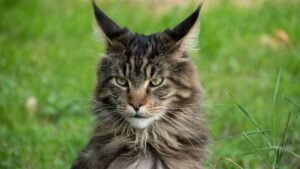
| Apartment Suitability | Excellent | Excellent | Moderate |
| Kid-Friendly | Very Good | Good | Very Good |
Bringing Angora Cats Splendor Into Your Home
Whether adopting from a rescue or purchasing from a reputable breeder, bringing angora cats splendor into your life demands careful preparation. Reputable breeders emphasize health-tested lineage, focusing on coat quality, eye clarity, and temperament stability while screening for hereditary conditions like HCM and patellar luxation. Avoid sources that cannot provide health documentation or that offer kittens younger than 12 weeks. The TICA breeder directory and CFA breeder referral are trusted starting points for finding ethical sources.
Rescue adoption is another meaningful path. Turkish Angoras occasionally appear in breed-specific rescues and general shelters, often due to owner circumstances rather than behavioral problems. Adopting an adult intelligent and playful cat means bypassing the kitten phase while gaining a companion whose personality is fully formed. Prepare your home before arrival: establish a quiet introductory space, stock grooming tools, schedule a first veterinary appointment within the first week, and browse Vetiana’s Breed Spotlights for breed-specific care insights.
The angora cats splendor is distinguished by a single-layer silk coat with no dense undercoat, giving it a uniquely light, flowing appearance that shimmers in natural light. Unlike Persians, which require intensive daily grooming, Angoras shed less and tangle less. Their active, inquisitive personalities also contrast with the more sedentary temperament of many other longhaired breeds.
Brush two to three times weekly using a wide-toothed comb or soft-bristle brush. During spring shedding, increase to daily sessions. Baths every four to six weeks help maintain coat cleanliness and shine. Regular nail trims (every two to three weeks) and weekly ear checks complete the essential grooming routine for preserving angora cats splendor.
No cat breed is truly hypoallergenic, as all cats produce the Fel d 1 protein responsible for human allergies. However, the Angora’s single-layer coat and relatively low shedding mean less dander dispersal than many other longhaired breeds. Some allergy sufferers report better tolerance with Turkish Angoras, but individual reactions vary and a trial visit before adoption is strongly recommended.
Turkish Angoras typically live 12 to 18 years, with some individuals reaching beyond that range under optimal care. Factors supporting longevity include indoor living, a high-protein moisture-rich diet, annual veterinary checkups with cardiac screening, regular physical activity, and consistent dental hygiene. Spaying or neutering also correlates with longer, healthier lives.
Yes. The angora cats splendor temperament is social, adaptable, and generally welcoming of other animals and children when properly introduced. They enjoy interactive play and tend to form strong bonds across the whole household rather than attaching exclusively to one person. Supervised introductions to dogs or other cats, conducted gradually over several days, typically result in harmonious multi-pet homes.
The primary breed-associated conditions are hypertrophic cardiomyopathy (HCM) and patellar luxation. White, blue-eyed Angoras carry a genetic predisposition to congenital deafness. Annual cardiac evaluations, orthopedic assessments, BAER hearing tests for at-risk individuals, and biannual bloodwork for senior cats over age 10 form the foundation of proactive health management for angora cats splendor.
Absolutely. Angora cats splendor adapts well to apartment living when provided with vertical space (cat trees, shelves), interactive toys, and consistent daily play sessions of 10–15 minutes. Mental enrichment matters more than physical space for this intelligent breed. They do best with companionship, so a second cat or a work-from-home arrangement helps prevent loneliness during long weekdays.
The TICA Breeder Directory and CFA Breeder Referral program are the most reliable starting points. Ethical breeders will provide full health documentation, allow you to visit in person, raise kittens in a home environment with socialization, and not release kittens before 12 weeks of age. Avoid listings that offer multiple breeds simultaneously or cannot produce health testing records for both parents.