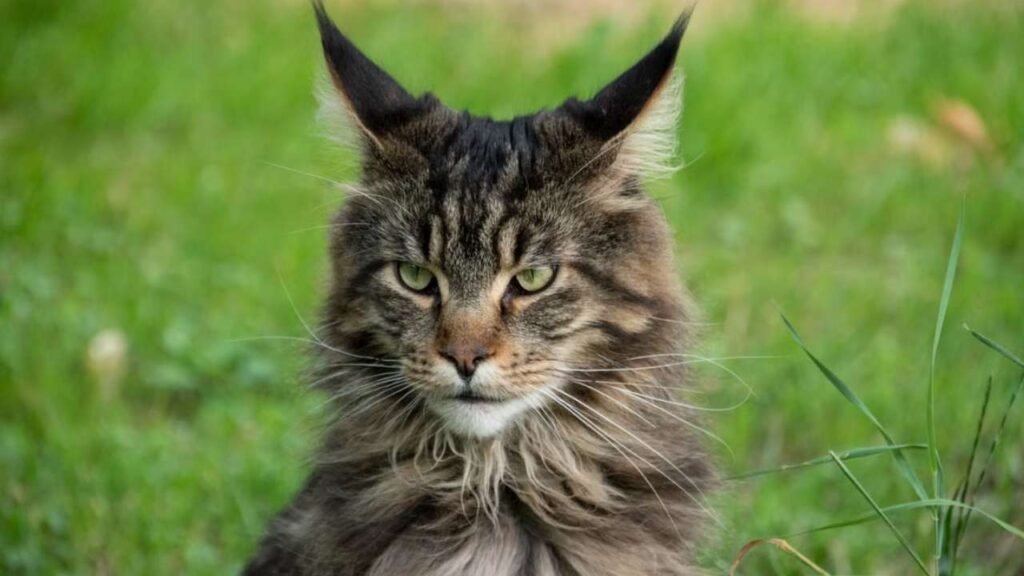
Few breeds capture hearts the way the Maine Coon does. Nicknamed the “gentle giant,” the Maine Coon cat personality is famous for being affectionate, intelligent, and remarkably dog-like in its loyalty. If you’re researching Maine Coon cat personality traits and care guide information before bringing one home, you’re making a smart move — this breed’s size, temperament, and grooming needs are unlike any other domestic cat. This guide covers everything from core personality traits to feeding, grooming, health risks, and what life with a Maine Coon really looks like.
Maine Coon Cat Personality Traits: The Gentle Giant Explained
The Maine Coon personality combines confidence, gentleness, and curiosity in a way that has earned it the nickname “dog of the cat world.” According to Hill’s Pet, despite their imposing size and barn-cat history, Maine Coons are sweet-tempered and gentle, adapting well to nearly any home environment. They follow owners from room to room, greet guests at the door, and rarely display the aloofness associated with many other cat breeds.
Unlike standoffish breeds, the Maine Coon thrives on companionship without becoming clingy or anxious. They settle nearby rather than demanding constant lap time — a trait many owners describe as “next-to-you” rather than “on-you” affection. Their patience with children, dogs, and even strangers makes them one of the most family-friendly breeds available today.
6 Defining Maine Coon Personality Traits
Maine Coons often bond deeply with one person while remaining friendly to the whole household, following routines closely.
Instead of typical meows, Maine Coons communicate through soft chirping and melodic trilling — a signature vocal quirk of the breed.
Many Maine Coons dip paws in water bowls or watch dripping faucets, a trait linked to their seafaring, working-cat ancestry.
Quick learners, Maine Coons can be leash-trained and often learn to open doors or fetch toys with minimal repetition.
Their easy-going nature makes them tolerant of handling, children, and multi-pet households without stress-driven aggression.
Bred originally as barn and ship cats, Maine Coons retain sharp hunting reflexes, enjoying interactive prey-style play sessions.
Maine Coon Growth & Personality Timeline
Maine Coons mature slowly compared to most breeds, both physically and behaviorally. Understanding this timeline helps set realistic expectations for new owners adjusting to the Maine Coon cat personality traits and care guide journey.
Kittens display bold, fearless exploration or cautious observation — both are normal personality starting points that shift as confidence builds.
High-energy “zoomies” phase. Playfulness peaks; socialization with people, kids, and other pets during this window shapes lifelong temperament.
Rapid skeletal growth continues. Some owners notice a more independent phase as adolescent cats test boundaries before settling.
Maine Coons reach full physical size — they are one of the slowest-maturing breeds, often still growing until their third or fourth year.
Considered senior earlier than smaller breeds due to size. Energy mellows; biannual veterinary checkups become essential.
Maine Coon Size: How Big Do They Really Get?
The Maine Coon is widely recognized as one of the largest domestic cat breeds. Males typically weigh between 15 and 25 pounds, while females range from 11 to 18 pounds — though individual cats can exceed these averages significantly.
Maine Coon Care Guide: Daily Needs at a Glance
| Care Area | Recommendation | Frequency |
|---|---|---|
| Diet | High-protein (40–50%), moderate fat, large/long-hair breed formula | 2–3 meals daily |
| Grooming | Brush thoroughly to prevent mats in shaggy coat and britches | 2–3× per week |
| Play & Exercise | Interactive toys, cat trees, climbing space for their large frame | 20–30 min daily |
| Dental Care | Brushing plus dental treats; watch for juvenile gingivitis | 3–4× weekly |
| Vet Checkups | Cardiac screening (HCM), hip evaluation, weight monitoring | Annual (biannual after 8 yrs) |
| Nail Trims | Trim claws to prevent snagging on their thick fur and furniture | Every 2–3 weeks |
Grooming is non-negotiable for this breed. The Maine Coon’s coat is heavy but silky, draping longer over the stomach and “britches” while staying shorter over the shoulders. Left unbrushed, the undercoat mats quickly, leading to painful pulling and skin irritation. For more on coat care across long-haired breeds, see our Turkish Angora grooming guide, which shares similar techniques.
Maine Coon Health Risks: What Research Shows
Like all purebred cats, Maine Coons carry breed-specific genetic risks. The most significant is hypertrophic cardiomyopathy (HCM) — research compiled by the American College of Veterinary Internal Medicine suggests up to 30% of Maine Coons develop some degree of cardiac wall thickening during their lifetime. A landmark study published in the Journal of Feline Medicine & Surgery analyzed 5,038 pedigree-registered Maine Coons over 20 years and found that more than one third of all Maine Coon cats surveyed showed some radiographic signs of hip dysplasia (37.4%), with most affected cats showing lesions in both hips.
📊 Maine Coon Genetic Health Risk Prevalence
Sources: OFA Hip Dysplasia Registry (2017 study, 2,708 Maine Coons), ACVIM cardiac research, breed longevity surveys
Common Maine Coon Health Conditions
| Condition | What It Affects | Key Sign to Watch |
|---|---|---|
| Hypertrophic Cardiomyopathy | Heart muscle thickening, most serious Maine Coon risk | Labored breathing, lethargy, sudden collapse |
| Hip Dysplasia | Hip socket malformation affecting mobility | Avoiding stairs, reduced jumping |
| Spinal Muscular Atrophy | Inherited nerve condition affecting muscle control | Unsteady gait, muscle weakness (non-painful) |
| Polycystic Kidney Disease | Fluid-filled cysts that gradually impair kidney function | Increased thirst, weight loss |
| Juvenile Gingivitis | Early-onset gum inflammation, can start as young as 6 months | Red gums, bad breath at a young age |
The encouraging news: with proper screening and care, Maine Coons commonly live 12.5 to 13 years on average, and many reach well beyond that. If you’re concerned about respiratory symptoms tied to HCM, our guide on heavy breathing in cats explains what’s normal versus what warrants an urgent vet visit.
A Typical Maine Coon Day: Energy & Behavior Split
Maine Coons display moderate energy levels with short, intense play bursts followed by long naps. Their most active periods align with natural hunting instincts — typically early morning and evening. Establishing a consistent daily routine of feeding, play, and quiet time helps this breed feel secure and reduces stress-related behaviors.
Maine Coon vs. Other Popular Cat Breeds
5 Practical Tips for Maine Coon Owners
Standard cat trees often can’t support a Maine Coon’s weight. Choose reinforced, large-breed-rated climbing structures.
Obesity can reduce lifespan by 2–5 years in large breeds. Feel for ribs with slight pressure and check for a visible waist.
Request HCM echocardiogram and hip dysplasia clearance documentation from any breeder before adoption.
Indoor Maine Coons live measurably longer — often 3 to 5 more years — than those with outdoor access, given their cardiac vulnerabilities.