
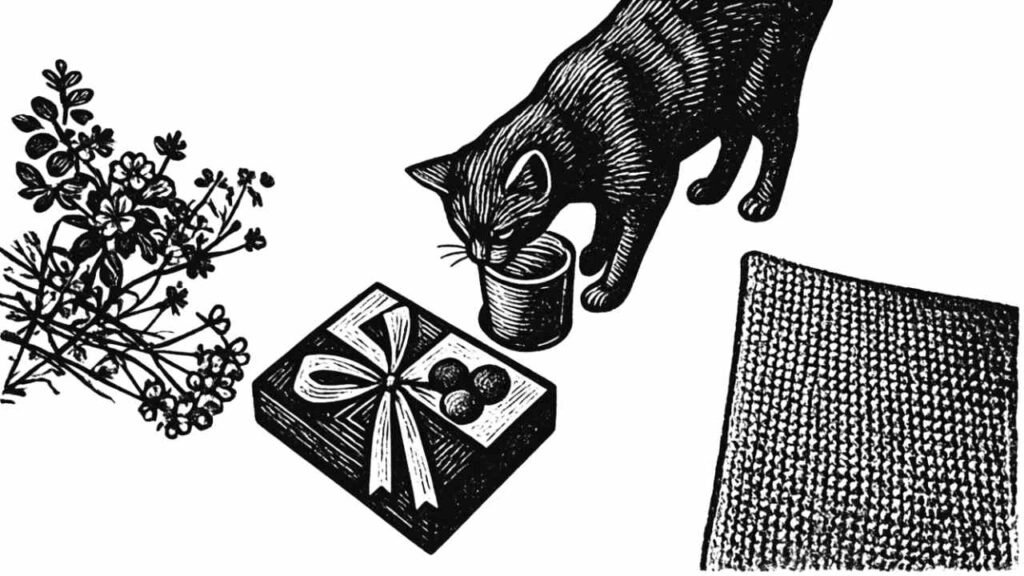
Cats eat chocolate — even a tiny amount — and the result can be a genuine medical emergency. Unlike humans, cats lack the metabolic enzymes needed to safely break down the compounds inside every bar, truffle, and cocoa-dusted biscuit in your home. The short answer is clear: no, cats cannot eat chocolate. But understanding exactly why — and what to do if your cat already has — can be the difference between a full recovery and a life-threatening crisis.
Why Is Chocolate Toxic to Cats?
Chocolate is derived from Theobroma cacao — literally “food of the gods.” But for cats, it contains two naturally occurring compounds that their bodies simply cannot process efficiently: theobromine and caffeine. These belong to a chemical family called methylxanthines.
According to PetMD’s veterinary review, methylxanthines target several major organ systems at once — gastrointestinal, cardiovascular, and central nervous. A cat’s liver metabolises theobromine far more slowly than a human’s, allowing it to build up to toxic concentrations even from small amounts. As noted in a Frontiers in Pharmacology study, theobromine is a confirmed animal toxin. Combined with caffeine, the effect is additive: both chemicals overstimulate an already sensitive feline nervous system.
Constitutes 3–10× more concentration than caffeine in chocolate. Inhibits adenosine receptors, leading to CNS stimulation, cardiac arrhythmia, and diuresis. Half-life in cats is approximately 4–5 hours — slow enough for dangerous accumulation.
Acts synergistically with theobromine to further stimulate the nervous and cardiovascular systems. At higher chocolate doses, caffeine poisoning compounds the crisis — elevating heart rate, causing tremors, and triggering restlessness.
Illustration: Simplified theobromine structure — the methylxanthine that makes chocolate dangerous for cats.
How Much Chocolate Can Harm a Cat?
The danger depends on three factors: the type of chocolate, the amount consumed, and your cat’s body weight. Research from the Merck Veterinary Manual confirms that mild clinical signs appear around 20 mg/kg of methylxanthines, severe cardiotoxic effects at 40–50 mg/kg, and seizures at ≥ 60 mg/kg.
For a typical 4 kg (9 lb) cat, toxic amounts are surprisingly small. Darker chocolate contains far more theobromine per gram, making even a small square potentially dangerous. Refer to the table below for a full breakdown by chocolate type.
| Chocolate Type | Theobromine (mg/g) | Toxic Amount for 4 kg Cat | Danger Level |
|---|---|---|---|
| Dry Cocoa Powder | ~28 mg/g | ~2.9 g (~½ tsp) | Critical |
| Baker’s / Unsweetened | ~14–16 mg/g | ~5 g (~⅙ oz) | Critical |
| Dark Chocolate (70%+) | ~8–10 mg/g | ~8–10 g | High |
| Semi-Sweet / Dark | ~5 mg/g | ~16 g (~½ oz) | High |
| Milk Chocolate | ~1.5–2 mg/g | ~40–66 g (~1.5 oz) | Moderate |
| White Chocolate | ~0.009 mg/g | Extremely high | Low (GI risk) |
Sources: Cats.com, Merck Veterinary Manual, Cat Chocolate Toxicity Calculator. Amounts are approximate for a 4 kg cat.
* Darker chocolate = more theobromine = smaller toxic dose for your cat.
Signs Your Cat Has Eaten Chocolate
Symptoms of chocolate poisoning in cats typically begin within 2–6 hours of ingestion and can persist for 24–96 hours depending on severity. The progression moves in stages — recognising early signs gives you a vital window to act.
Dose vs. Severity: What the Research Shows
The ASPCA Animal Poison Control Center data maps specific methylxanthine doses to clinical outcomes. Here’s what the evidence shows for cats:
Methylxanthine dose (mg/kg body weight) → clinical outcome
What Happens Inside a Cat’s Body
Theobromine targets three systems simultaneously: the heart, gut, and central nervous system.
Once ingested, theobromine is rapidly absorbed from the gastrointestinal tract. It then competitively inhibits adenosine receptors throughout the body. This blocks the body’s natural “slow down” signals, creating a chain reaction of overstimulation. In the heart, this triggers dangerous rhythm abnormalities. In the gut, it causes vomiting and diarrhoea. In skeletal muscle, it increases contractility, leading to tremors.
Theobromine also increases calcium concentration inside cells, worsening cardiac and muscle effects. Because a cat’s liver is far less efficient at metabolising this compound than a human’s — and cats are far smaller — the toxic threshold is reached quickly. Learn more about how feline obligate carnivore physiology affects food processing in our guide on cat health and wellness.
Every Type of Chocolate — Ranked by Risk
Not all chocolate carries the same risk. The table below ranks common chocolate products cats might encounter at home, from most to least dangerous.
| Rank | Product | Common Sources | Risk to Cats | Action if Ingested |
|---|---|---|---|---|
| 1 | Cocoa / Baking Powder | Kitchen baking, hot cocoa | Critical | Emergency vet now |
| 2 | Baker’s Chocolate | Baking blocks, cooking bars | Critical | Emergency vet now |
| 3 | Dark Chocolate (70%+) | Health bars, premium treats | Critical | Emergency vet now |
| 4 | Semi-Sweet Chocolate | Chocolate chips, desserts | High | Call vet immediately |
| 5 | Milk Chocolate | Candy bars, Easter eggs | Moderate | Call vet immediately |
| 6 | White Chocolate | Sweets, coatings | Low (GI) | Monitor, call vet if unwell |
| 7 | Chocolate Ice Cream | Desserts, treats | Moderate | Monitor, call vet |
| 8 | Chocolate Cake / Cookies | Baked goods, snacks | High | Call vet immediately |
What to Do If Your Cat Eats Chocolate
Speed is your most important asset. Chocolate toxicity can worsen rapidly — do not wait for symptoms to appear before seeking help. Follow these steps in order:
How Vets Treat Chocolate Poisoning in Cats
Treatment depends on how much chocolate was eaten and how quickly your cat receives care. According to Hill’s Pet, the prognosis with early treatment is generally favourable, with no long-term effects in most cases. Here’s what veterinary care typically involves:
| Treatment | Purpose | Timing |
|---|---|---|
| Induced Vomiting (Emesis) | Remove unabsorbed chocolate from the stomach | Within 1–2 hours of ingestion |
| Activated Charcoal | Binds theobromine to prevent further absorption | Soon after ingestion |
| IV Fluid Therapy | Supports kidney function, prevents dehydration, speeds excretion | Throughout treatment |
| Anti-seizure Medication | Controls neurological symptoms in severe cases | If seizures present |
| Cardiac Monitoring / Medication | Manages arrhythmias from theobromine | In moderate to severe cases |
| Anti-nausea Drugs | Controls vomiting to reduce aspiration risk | As needed |
How to Keep Chocolate Away from Cats
Prevention is the only complete solution. Since chocolate poisoning in cats is 100% preventable, a few consistent household habits dramatically reduce risk. For broader guidance on creating a safe environment for your feline companion, visit our Health & Wellness guides at Vetiana.
| Situation | Risk | Prevention Strategy |
|---|---|---|
| Kitchen baking | Cocoa powder / baker’s chocolate spills | Close kitchen door; clean spills immediately; store in sealed containers |
| Chocolate gifts & treats | Left on counters or tables | Store all chocolate in closed cupboards above cat’s reach |
| Holiday seasons | Easter eggs, Christmas chocolates | Extra vigilance during holidays; educate guests not to offer treats |
| Hot chocolate / cocoa drinks | Cat licking unattended cup | Never leave cocoa drinks unattended; use covered mugs |
| Chocolate-flavoured products | Protein bars, supplements, cakes | Read labels; assume chocolate-flavoured = real cocoa content |
| Mulch / garden products | Cocoa bean hull mulch | Avoid cocoa mulch in gardens accessible to cats |
Safe Treats to Give Your Cat Instead
If you want to treat your cat, there are plenty of safe, enjoyable options. As obligate carnivores, cats thrive on animal-based proteins and fats. Explore our recommendations on cat nutrition at Vetiana for science-backed dietary guidance.
Research Data: Chocolate & Feline Toxicity
Sources: ASPCA Animal Poison Control Center data, Veterinary Poisons Information Service 2022, clinical veterinary literature. Data are approximate.


The explanation about theobromine and caffeine building up in a cat’s system was useful because a lot of people assume a tiny bite isn’t a big deal. One thing worth emphasizing too is that people may not realize chocolate can show up in unexpected places like baked goods or desserts left out on counters, so prevention really matters as much as knowing the symptoms.