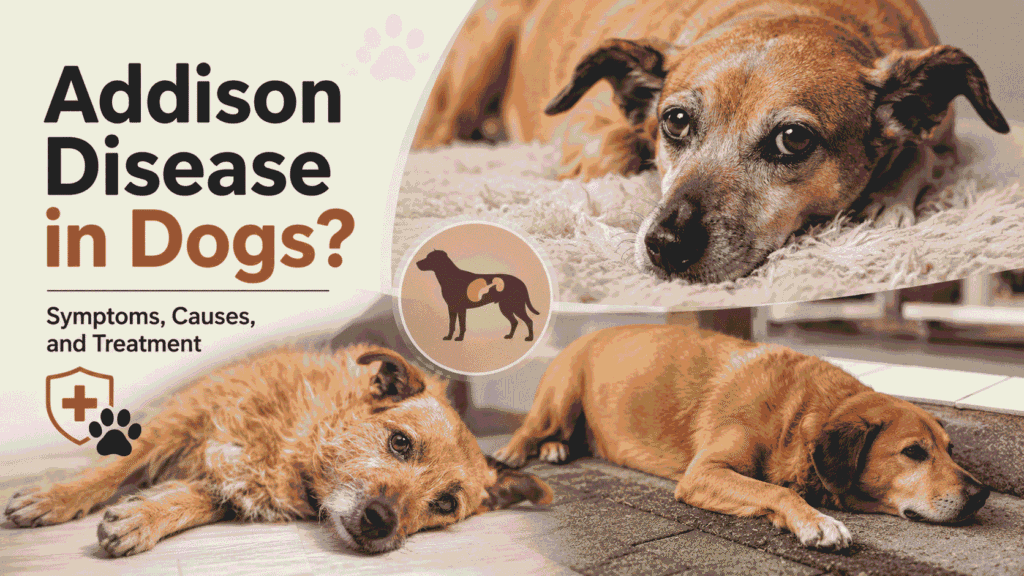
What Is Addison’s Disease in Dogs?
Addison’s disease, medically known as hypoadrenocorticism, is a serious but manageable endocrine disorder in which a dog’s adrenal glands fail to produce sufficient amounts of two critical hormones — cortisol and aldosterone.
Think of the adrenal glands as your dog’s internal stress-management system. Sitting just above each kidney, these small but mighty glands produce cortisol (which helps regulate metabolism, immune response, and stress reactions) and aldosterone (which maintains the balance of sodium, potassium, and water in the body). When these glands underperform — or stop working entirely — the consequences ripple through virtually every organ system.
First described in humans by Dr. Thomas Addison in 1855, the canine form of this disease shares many characteristics with its human counterpart. While it’s considered relatively rare — affecting an estimated 0.3–0.5% of dogs — veterinarians increasingly recognize it as an underdiagnosed condition, often referred to as “the great imitator” because its symptoms mirror so many other common ailments.
Key Concept
Addison’s disease is essentially the opposite of Cushing’s syndrome. While Cushing’s involves excess cortisol production, Addison’s involves a cortisol deficiency. This distinction is crucial for accurate diagnosis and treatment.
Quick Facts at a Glance
0.3–0.5%
of all dogs affected
3–6 Years
most commonly diagnosed
70% Female
females more commonly affected
Excellent
with proper treatment
How Healthy Adrenal Glands Work
The brain’s hypothalamus releases CRH
Corticotropin-releasing hormone signals the pituitary gland
Pituitary gland releases ACTH
Adrenocorticotropic hormone travels through the bloodstream
Adrenal glands produce cortisol & aldosterone
These hormones regulate stress, metabolism, and electrolyte balance
In Addison’s: This chain breaks down
The adrenal glands can’t produce enough hormones — or any at all
Causes & Types of Addison’s Disease
Understanding why Addison’s disease develops is essential for both treatment and prevention. Veterinarians classify the condition into two primary categories, each with distinct underlying mechanisms.
Direct Adrenal Damage
The adrenal glands themselves are destroyed or damaged, typically by an immune-mediated process where the dog’s own immune system attacks the adrenal cortex.
Accounts for ~80–90% of cases Both cortisol AND aldosterone deficient Can be hereditary in certain breeds Rare causes: infection, tumor, hemorrhage
Pituitary/Brain Signal Failure
The adrenal glands are intact, but they don’t receive the ACTH signal from the pituitary gland — often caused by long-term steroid use or pituitary tumors.
Accounts for ~10–20% of cases Only cortisol deficient (aldosterone OK) Often caused by abrupt steroid withdrawal Electrolyte levels usually normal
Important Warning About Steroid Medications
Never abruptly stop giving your dog prescribed corticosteroids (like prednisone). Sudden withdrawal can trigger secondary Addison’s disease. Always follow your veterinarian’s tapering schedule — even if your dog seems fully recovered.
Which Dog Breeds Are at Higher Risk?
While any dog can develop Addison’s disease, certain breeds show a significantly elevated risk due to genetic predisposition. Research from veterinary universities has identified the following breeds as most commonly affected:
Standard Poodle
Very High RiskPortuguese Water Dog
Very High RiskWest Highland White Terrier
High RiskBearded Collie
High RiskNova Scotia Duck Tolling Retriever
High RiskRottweiler
Moderate RiskOther breeds with documented increased risk include: Great Danes, Labrador Retrievers, Soft Coated Wheaten Terriers, Airedale Terriers, and Springer Spaniels. Mixed breed dogs can also be affected.
Recognizing the Symptoms of Addison’s Disease
One of the most frustrating aspects of Addison’s disease is that its symptoms are vague, intermittent, and easily mistaken for other conditions. Many owners report that their dog seemed “a little off” for weeks or even months before a crisis brought them to the emergency clinic. Symptoms typically wax and wane, which further complicates recognition.
Common Symptoms to Watch For:
The classic pattern owners describe is a dog who has repeated episodes of gastrointestinal upset — vomiting and diarrhea — that seem to resolve on their own or with basic treatment, only to return weeks later. Each episode may leave the dog a little weaker and thinner. This “on-again, off-again” pattern is a significant red flag that should prompt Addison’s screening.
Addisonian Crisis: When Every Minute Counts
An Addisonian crisis (also called an adrenal crisis) is a life-threatening emergency that occurs when the dog’s hormone levels plummet to critically low levels — often triggered by a stressful event. Without immediate treatment, an Addisonian crisis can be fatal within hours.
Crisis Symptoms
Severe vomiting & bloody diarrhea Collapse or inability to stand Extremely weak pulse Shock / low blood pressure Extreme lethargy or unresponsiveness
Common Triggers
Illness or infection Surgery or anesthesia Trauma or injury Sudden steroid withdrawal Severe stress or anxiety
How Veterinarians Diagnose Addison’s Disease
Diagnosing Addison’s disease requires a systematic approach. Because symptoms overlap with kidney disease, gastrointestinal disorders, and other conditions, your veterinarian will use a combination of tests to confirm the diagnosis. Here’s what to expect:
Complete Blood Count (CBC) & Chemistry Panel
Initial bloodwork may show elevated potassium (hyperkalemia), decreased sodium (hyponatremia), elevated BUN and creatinine, and sometimes low blood sugar (hypoglycemia). The sodium-to-potassium ratio is a key screening marker — a ratio below 27:1 raises strong suspicion.
Urinalysis
Urine may be dilute (low specific gravity) despite dehydration, which helps distinguish Addison’s from true kidney disease. This finding often prompts further investigation.
ACTH Stimulation Test
Gold StandardThis is the definitive diagnostic test for Addison’s disease. Your vet will draw a baseline blood sample, inject synthetic ACTH (Cortrosyn), then draw a second blood sample 1 hour later. In a healthy dog, cortisol levels rise significantly. In a dog with Addison’s, cortisol levels remain flat or barely rise.
Expected Results:
Healthy Dog (Post-ACTH)
5–20 μg/dL
Addison’s Dog (Post-ACTH)
< 2 μg/dL
Additional Imaging (If Needed)
Abdominal ultrasound may reveal small adrenal glands. Chest X-rays can check for a reduced heart size (microcardia) caused by elevated potassium. An ECG may show characteristic heart rhythm changes associated with hyperkalemia.
Treatment Options for Addison’s Disease in Dogs
The good news is that Addison’s disease is one of the most treatable chronic conditions in veterinary medicine. Once stabilized, most dogs return to a completely normal quality of life. Treatment has two phases: emergency management (for crisis) and long-term maintenance therapy.
Emergency Treatment (Addisonian Crisis)
When a dog presents in crisis, the priority is immediate stabilization. This typically involves:
- Intravenous fluid therapy — Normal saline to correct dehydration and electrolyte imbalances
- Injectable corticosteroids — Dexamethasone or hydrocortisone for rapid cortisol replacement
- Cardiac monitoring — ECG to watch for dangerous heart rhythm abnormalities from high potassium
- Mineralocorticoid replacement — DOCP injection once the dog is stable enough
Long-Term Maintenance Therapy
After stabilization, your dog will need lifelong hormone replacement therapy. There are two main approaches:
DOCP Injections
(Percorten-V / Zycortal)
The most popular maintenance option. DOCP is a long-acting mineralocorticoid injection given approximately every 25–30 days by your veterinarian.
Once-monthly injections (vet visit needed) Replaces aldosterone only Daily prednisone still needed for cortisol Very predictable, stable dosing Requires monthly vet visits
Daily Oral Medications
(Fludrocortisone / Florinef)
Fludrocortisone acetate is an oral medication that replaces both aldosterone and (to some degree) cortisol. Given once or twice daily at home.
Administered at home (no vet visit) Replaces both aldosterone & some cortisol Dose adjustments possible at any time Frequent bloodwork needed initially Dose can change over time
Stress Dosing: A Critical Concept
Regardless of which maintenance approach you choose, dogs with Addison’s need increased steroid doses during stressful events (surgery, boarding, travel, illness). Your vet will create a “stress dose protocol” — typically 2–5x the normal prednisone dose for the duration of the stressor. Always carry emergency prednisone if you travel with your dog.
Cost of Treating Addison’s Disease in Dogs
Understanding the financial commitment upfront helps you plan effectively. Here’s a realistic cost breakdown based on 2025 U.S. veterinary pricing averages:
| Expense Category | Low End | High End | Notes |
|---|---|---|---|
| Initial Diagnostic Workup | $500 | $2,000 | CBC, chemistry, ACTH test, possibly ultrasound |
| Emergency Crisis Treatment | $1,500 | $5,000+ | IV fluids, injectable steroids, monitoring (1–5 days) |
| DOCP (Monthly Injection) | $50 | $120 | Per injection, plus exam fee (~$30–$60) |
| Fludrocortisone (Monthly Oral) | $30 | $80 | Depends on dog’s size and dose needed |
| Prednisone (Monthly) | $5 | $15 | Very affordable generic medication |
| Follow-up Bloodwork | $80 | $250 | Every 2–4 weeks initially, then 2–4x/year |
| Estimated Annual Maintenance | $800 | $2,500 | Excluding initial diagnosis/crisis |
Money-Saving Tip
Pet insurance typically covers Addison’s disease treatment if enrolled before diagnosis. Some pharmaceutical companies offer manufacturer rebates for DOCP. Ask your vet about compounding pharmacies which may offer lower-cost alternatives for fludrocortisone.
Life Expectancy & Prognosis
Here’s the answer every worried dog owner wants to hear: with proper treatment and monitoring, dogs with Addison’s disease can live a normal, full lifespan.
Studies have shown that treated dogs with Addison’s disease have a median survival time that is not significantly different from the general dog population. Many dogs live 5, 10, or even 15+ years after diagnosis when their condition is well-managed.
The Prognosis Is Excellent
A 2015 study published in the Journal of Veterinary Internal Medicine found that 95% of dogs diagnosed with Addison’s disease survived beyond 1 year with appropriate treatment, and the majority went on to live normal lifespans. The key is consistent medication and regular veterinary monitoring.
The highest-risk period is at diagnosis, particularly if the dog presents in an Addisonian crisis. However, once through the initial stabilization and on a proper maintenance protocol, most dogs bounce back remarkably well — often with more energy than they’ve had in months, since they were likely feeling unwell long before diagnosis.
Diet & Daily Management Tips
While there’s no specific “Addison’s diet,” certain nutritional and lifestyle strategies can significantly improve your dog’s quality of life and reduce the risk of complications.
Nutrition Guidelines
Moderate sodium intake (don’t restrict salt unless vet advises) High-quality protein for muscle maintenance Consistent feeding schedule Fresh water always available Avoid high-potassium foods (bananas, potatoes, spinach) in excess
Daily Management Checklist
Administer medications at the same time daily Monitor water intake and urination patterns Track energy levels and appetite Keep a log of any symptoms or changes Never miss a DOCP appointment
Recommended Monitoring Schedule
First 3 Months
Bloodwork every 2–4 weeks
Months 3–12
Bloodwork every 1–3 months
Long-Term (Stable)
Bloodwork 2–4 times per year
Treatment Comparison: DOCP vs. Fludrocortisone
Choosing between DOCP injections and daily oral fludrocortisone is one of the most important decisions you’ll make. Here’s a side-by-side comparison to help you and your veterinarian decide:
| Feature | DOCP (Percorten-V / Zycortal) | Fludrocortisone (Florinef) |
|---|---|---|
| Administration | Injection (every 25–30 days) | Oral pill (daily or twice daily) |
| Where Given | At veterinary clinic | At home |
| Hormone Replaced | Aldosterone only | Aldosterone + some cortisol |
| Additional Prednisone | Required daily | May not be needed (or lower dose) |
| Dose Stability | Very stable once established | May need frequent adjustments |
| Monthly Cost | $80–$180 (incl. visit) | $30–$80 |
| Monitoring Frequency | Every 2–4 weeks initially, then less | More frequent initially |
| Best For | Owners who prefer set-and-forget | Owners comfortable with daily meds |
| Owner Compliance | High (vet manages it) | Moderate (owner must remember) |
Note: There is no universally “better” option — the right choice depends on your dog’s specific needs, your lifestyle, your budget, and your veterinarian’s recommendation.
Frequently Asked Questions
Yes, absolutely. With proper treatment and regular monitoring, most dogs with Addison’s disease can live a normal, full lifespan. Many dogs go on to live 5–10+ years after diagnosis when managed correctly with medication like DOCP and prednisone. The key is consistency — never missing doses or vet appointments, and adjusting medication during stressful events.
An Addisonian crisis can be triggered by any significant stressor: illness (especially infections), surgery, anesthesia, trauma, dehydration, sudden withdrawal of steroid medications, or even severe emotional stress. During a crisis, the body’s demand for cortisol surges, but the adrenal glands can’t respond, leading to a dangerous cascade of electrolyte imbalances, dehydration, and potentially circulatory collapse.
Initial diagnosis typically costs $500–$2,000 including bloodwork and ACTH stimulation tests. Monthly maintenance costs range from $50–$200 depending on the medication used (DOCP injections vs. daily oral medications). Emergency treatment for an Addisonian crisis can cost $1,500–$5,000+. Annual maintenance costs typically total $800–$2,500 after the initial diagnosis phase.
Yes, there is a strong hereditary component, particularly in certain breeds. Standard Poodles, Portuguese Water Dogs, Bearded Collies, and Nova Scotia Duck Tolling Retrievers have a known genetic predisposition. Research has identified potential genetic markers, and responsible breeders of these breeds often test for Addison’s-related genes. If you’re considering breeding from an at-risk line, genetic counseling is strongly recommended.
No, Addison’s disease cannot be cured — the damaged adrenal tissue does not regenerate. However, it is highly manageable with lifelong hormone replacement therapy. Think of it like a person with hypothyroidism taking daily thyroid medication: the condition doesn’t go away, but treatment restores completely normal health and quality of life.
Contact your veterinarian immediately. If you’re only 1–2 days late, they may simply give the injection and adjust the next schedule. If it’s been significantly longer, they may want to run bloodwork to check electrolyte levels before administering the injection. Never attempt to adjust the schedule yourself, and don’t give a double dose to “catch up.” In the meantime, watch closely for any signs of lethargy, vomiting, or weakness.
When in Doubt, Get It Checked Out
If your dog has recurring episodes of vomiting, lethargy, or just “seems off,” don’t wait for a crisis. Early diagnosis makes all the difference.
References & Sources
- Feldman EC, Nelson RW. Canine and Feline Endocrinology, 4th ed. St. Louis: Elsevier Saunders; 2015.
- Lennon EM, et al. “Survival analysis of canine primary hypoadrenocorticism.” J Vet Intern Med. 2015;29(5):1279-1285.
- Bovens C, et al. “Cortisol-to-ACTH ratio as a screening test for canine hypoadrenocorticism.” JSAP. 2014;55(9):484-489.
- Scott-Moncrieff JC. “Clinical signs and diagnostic testing of hypoadrenocorticism.” Vet Clin Small Anim. 2018;48(5):821-841.
- Ohio State University College of Veterinary Medicine — Endocrinology Research Database, 2024.
Disclaimer: This article is for informational purposes only and does not constitute veterinary medical advice. If you suspect your dog may have Addison’s disease or any other medical condition, please consult a licensed veterinarian immediately. Never adjust your dog’s medication without veterinary guidance.