
Every dog parent faces that anxious moment — a skin irritation, a minor wound, a nagging ear issue — and wonders whether there’s a gentler path than a prescription antibiotic. Natural antibiotics for dogs are plant-based, food-derived, and herbal remedies backed by a growing body of veterinary science. Used correctly, they support healing, protect the gut microbiome, and reduce reliance on conventional antibiotics. This guide covers the most effective, vet-reviewed options with dosing guidance, research data, and clear safety boundaries.
Why Pet Parents Are Turning to Natural Antibiotics for Dogs
Conventional antibiotics are life-saving tools, but they carry a significant downside: they eliminate beneficial bacteria along with pathogenic ones. This disrupts the gut microbiome, which plays a central role in immunity, digestion, and mental health. According to a 2022 PubMed review, antibiotic use causes measurable, long-term damage to the gut microbiome in mammals — including dogs. Meanwhile, antibiotic-resistant bacteria are rising in veterinary medicine, making it increasingly important to explore natural antibiotics for dogs responsibly.
Natural antibiotics work on multiple fronts simultaneously — disrupting bacterial cell membranes, preventing biofilm formation, and stimulating immune response. Because bacteria are attacked through multiple mechanisms at once, resistance is far harder to develop. Many natural options are also anti-inflammatory, antifungal, and antiviral, giving them a broader therapeutic scope than single-target prescription drugs.
Always consult your veterinarian before starting any natural antibiotic regimen, especially if your dog is pregnant, diabetic, on existing medication, or showing signs of a severe infection. Natural remedies work best as preventive support or for mild conditions — not as replacements for emergency veterinary care.
The 8 Best Natural Antibiotics for Dogs (Science-Backed)
The following natural antibiotics for dogs are selected based on peer-reviewed research, documented safety profiles in canines, and clinical usage patterns reported by holistic veterinarians. They range from topical wound care to daily dietary supplements.
Manuka Honey
Sourced from New Zealand’s mānuka tree, manuka honey creates an acidic, high-sugar environment that bacteria cannot survive. Research confirms it inhibits E. coli, MRSA, and Pseudomonas aeruginosa — all common in canine infections. A controlled wound study found 10–12% higher skin regrowth in manuka-treated canine wounds.
Topical & InternalOregano Oil
Contains carvacrol and thymol — two phenols with broad antibacterial, antifungal, antiviral, and antiparasitic activity. Research highlights its efficacy against at least six bacterial strains found in canine ear, skin, and urinary tract infections. Must always be heavily diluted before use.
Diluted OnlyTurmeric (Curcumin)
Curcumin — turmeric’s active compound — is antimicrobial, anti-inflammatory, antifungal, and antioxidant. A 2015 study confirmed curcumin killed all tested bacteria in vitro. Over 6,000 published papers document its health benefits. Pair with black pepper to improve bioavailability significantly in dogs.
Food & TopicalGarlic (Low Dose)
Allicin — garlic’s active compound — has potent antimicrobial and antiparasitic properties. In controlled amounts, it also repels fleas and ticks. Dosing is critical: small, weight-appropriate amounts are safe; large doses cause Heinz body anaemia. Always vet-guided.
Vet Dosing RequiredOlive Leaf Extract
Oleuropein — olive leaf’s key compound — disrupts bacterial replication and has shown efficacy against drug-resistant strains. It also supports cardiovascular health and immune modulation, making it a dual-purpose natural antibiotic for dogs with chronic low-level infections.
Oral SupplementCoconut Oil
Lauric acid — comprising ~50% of coconut oil — converts in the body to monolaurin, a compound with documented antibacterial and antiviral properties. Topically, it soothes hot spots, dry skin, and minor surface infections while creating a protective barrier against further contamination.
Topical & InternalApple Cider Vinegar
Its acidity disrupts the pH environment bacteria need to thrive. Diluted ACV works as a topical rinse for itchy skin and routine ear canal maintenance. According to veterinary guides, it is one of the most accessible natural antibiotics for minor canine skin conditions.
Diluted TopicalPropolis
A resinous compound made by bees, propolis has broad-spectrum antibacterial activity. A peer-reviewed in-vitro study found propolis had one of the lowest MIC values (0.8%) against Staphylococcus pseudintermedius — the leading cause of canine pyoderma.
Oral & Topical📊 Antimicrobial Efficacy — Natural Antibiotics for Dogs
Research-based efficacy scores out of 100 across documented in-vitro and in-vivo studiesNatural vs. Conventional Antibiotics for Dogs
Understanding the differences helps you make informed decisions alongside your vet. Natural antibiotics excel as prevention and mild-infection support; prescription drugs remain essential for serious bacterial illness.
| Feature | Natural Antibiotics | Prescription Antibiotics |
|---|---|---|
| Gut Microbiome Impact | ✔ Preserves good bacteria | ✘ Eliminates all bacteria |
| Resistance Risk | ✔ Very low | ✘ Growing global concern |
| Severe Infection | ✘ Not suitable alone | ✔ Primary treatment |
| Side Effects | ✔ Generally minimal | ⚠ GI upset, liver stress |
| Cost | ✔ Low to moderate | ⚠ Moderate to high |
| Vet Prescription Needed | ✔ No (most options) | ✘ Yes — legally required |
| Anti-inflammatory Action | ✔ Often dual-action | ✘ Typically none |
| Biofilm Disruption | ✔ Oregano, propolis | ⚠ Variable by drug |
| Speed of Action | ⚠ Slower, consistent use | ✔ Fast-acting |
| Preventive Use | ✔ Highly suitable | ✘ Not recommended long-term |
Safe Dosage Guide for Natural Antibiotics in Dogs
Dosing natural antibiotics for dogs depends on body weight, the condition being treated, and product concentration. These are evidence-based starting points — always confirm with your veterinarian before use.
| Remedy | Topical Dose | Internal Dose | Frequency | Key Caution |
|---|---|---|---|---|
| Manuka Honey | Apply directly to wound | ½–1 tsp per 20 lbs | 1–2× daily | Avoid in diabetic dogs |
| Oregano Oil | 1 drop in 4 tbsp carrier oil | 1 drop in 1 tbsp carrier oil | Short courses only | Never undiluted; avoid in seizure-prone dogs |
| Turmeric | Mix with aloe vera gel | 5–20 mg per lb/day | Daily | Add black pepper for absorption |
| Garlic | N/A | ¼ clove per 10 lbs max | 3–4× per week | Never exceed dose — toxic in excess |
| Coconut Oil | Apply to affected area | 1 tsp per 10 lbs | Daily | Start small to avoid loose stools |
| Apple Cider Vinegar | 50/50 dilution with water | 1 tsp per 50 lbs in water | As needed | Never on open wounds |
| Olive Leaf Extract | N/A | Per label (weight-based) | Daily | Monitor for digestive changes |
| Propolis | Diluted tincture topically | Per supplement label | 1–2× daily | Patch test first for allergy |
🥧 Where Pet Owners Use Natural Antibiotics for Dogs
Estimated distribution by condition — based on holistic veterinary practice surveys (2023–2025)When Natural Antibiotics for Dogs Are Appropriate
Natural antibiotics for dogs work best as preventive tools and as support for mild, early-stage infections. They are also valuable alongside prescription antibiotics — protecting gut flora, boosting immunity, and accelerating recovery. According to Unleash Wellness, combining probiotics, immune-supportive botanicals, and proper nutrition during antibiotic therapy significantly improves overall outcomes.
Apply manuka honey immediately as a topical barrier. Its acidic pH and hydrogen peroxide content prevent bacterial colonisation before infection takes hold.
Diluted oregano oil in coconut oil applied gently to the outer canal addresses early bacterial or yeast presence. Read the full guide on dog ear infection symptoms and treatment on Vetiana.
A 50/50 apple cider vinegar rinse or coconut oil application soothes inflammation and creates an inhospitable environment for bacteria and yeast.
Add turmeric golden paste and probiotics during or after a prescription antibiotic course. This restores gut microbiome balance and supports immune recovery significantly.
Small amounts of garlic (within safe limits), coconut oil, and olive leaf extract added to meals support long-term immunity and lower susceptibility to recurrent infections.
📈 Pet Owner Use of Natural Antibiotics by Condition (%)
Survey data from holistic pet owner studies (2023–2025). Values show % of respondents using natural antibiotics for each condition.When NOT to Use Natural Antibiotics for Dogs
Natural antibiotics are not a replacement for emergency or prescription veterinary care. Knowing when to stop home treatment is critical. ScienceInsights notes that the key distinction is infection severity — natural remedies support; they do not replace urgent care.
- Fever above 104°F (40°C) persisting beyond 24 hours
- Deep puncture wounds or bite injuries with internal infection risk
- Sepsis signs — rapid breathing, pale gums, collapse, or extreme lethargy
- Spreading infections not improving within 48–72 hours of natural treatment
- Urinary tract infections with blood in urine or inability to urinate
- Post-surgical wound infections
- Respiratory infections with thick nasal discharge or laboured breathing
- Puppies under 8 weeks, pregnant dogs, or immunocompromised animals
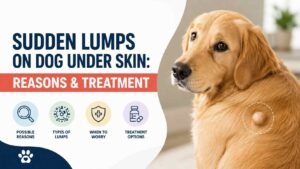
If your dog develops sudden lumps under the skin alongside signs of infection, seek professional evaluation promptly. Abscesses require veterinary drainage and cannot be safely managed with natural antibiotics alone.
Combining Natural Antibiotics with Conventional Veterinary Care
Natural and prescription approaches are not mutually exclusive. Many veterinary professionals now advocate an integrative model — prescription antibiotics when essential, paired with natural support to protect gut health and immunity. The American Holistic Veterinary Medical Association (AHVMA) maintains a directory of integrative vets who can guide this combined approach effectively.
Probiotics are the most important companion remedy during any antibiotic course. They recolonise the intestinal flora that prescription drugs deplete, reducing secondary infection risk, diarrhoea, and yeast overgrowth. Turmeric and olive leaf extract can generally be given alongside antibiotics without interaction risk for most dogs. Always inform your vet of all supplements in use. For complex conditions like kidney disease in dogs, natural remedies must be carefully screened for metabolic load before use.
Safety Profile at a Glance
| Natural Antibiotic | Safe for Puppies? | Safe Pregnant? | Drug Interactions? | Max Duration |
|---|---|---|---|---|
| Manuka Honey | ⚠ Avoid under 8 wks | ✔ Generally safe | ✔ None known | Unlimited topical |
| Oregano Oil | ✘ Not recommended | ✘ Avoid | ⚠ Blood thinners | 1–2 week courses |
| Turmeric | ✔ Low dose only | ⚠ Consult vet | ⚠ May thin blood | Long-term, monitored |
| Garlic | ✘ Never | ✘ Avoid | ⚠ Anticoagulant | Intermittent only |
| Coconut Oil | ✔ Yes | ✔ Yes | ✔ None known | Long-term safe |
| Apple Cider Vinegar | ⚠ Dilute well | ✔ Diluted only | ✔ None known | As needed |
| Olive Leaf Extract | ⚠ Consult vet | ⚠ Consult vet | ⚠ May lower BP | Cycled monthly |
| Propolis | ⚠ Patch test first | ⚠ Consult vet | ✔ Generally none | Short-term courses |