
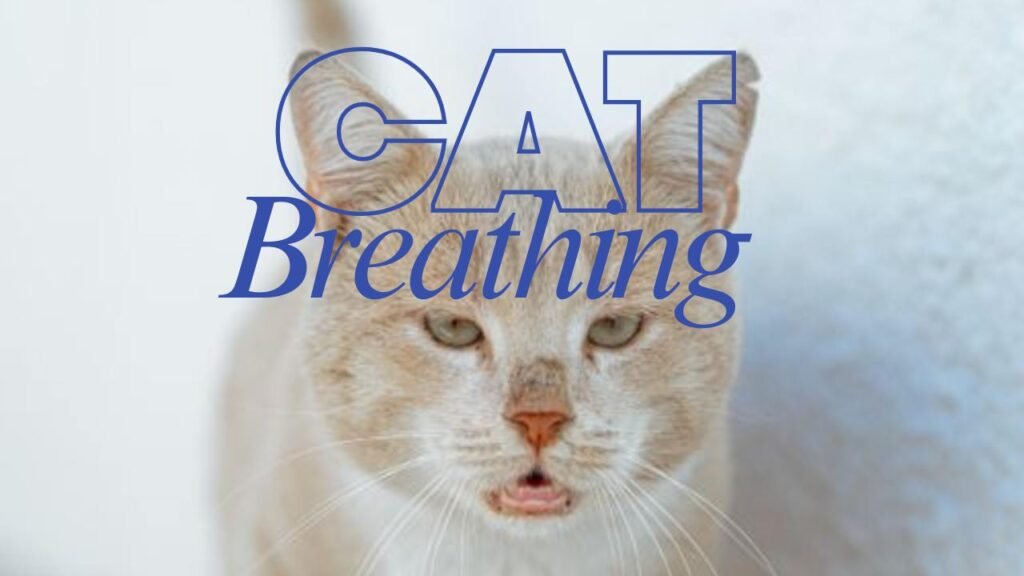
As pet owners, we are used to our cats making peculiar noises—from chirps to purrs and everything in between. However, unlike dogs, cats rarely pant or breathe with their mouths open under normal circumstances. Identifying the clinical difference between temporary exertion and a true respiratory emergency is a skill every cat owner needs to master. In this comprehensive medical guide, we cover the critical signs, common underlying causes, and veterinary protocols you need to know to protect your cat’s health.
🩺 Heavy Breathing in Real Cats: When to Worry
Heavy breathing in cats is almost always a medical concern. PetMD notes that cats are expert at hiding distress — so when labored breathing becomes visible, something is already seriously wrong.
🔬 Top Causes of Heavy Breathing in Cats
Veterinary sources identify multiple conditions that cause a cat to breathe heavily. Understanding each one helps you communicate effectively with your vet and respond faster in an emergency.
1. Feline Asthma
Feline asthma is one of the most frequently diagnosed causes of labored breathing in clinical settings. Affected cats wheeze, cough, and may breathe with their mouths open during episodes. Treatment typically involves corticosteroids or bronchodilators, and while asthma cannot be cured, it can be effectively managed with long-term veterinary supervision. Triggers include dust, smoke, aerosol sprays, and mold.
2. Hypertrophic Cardiomyopathy (HCM)
Heart disease is a major and often silent cause of heavy breathing in cats. Hypertrophic cardiomyopathy causes the heart muscle to thicken, reducing its ability to pump blood efficiently. This leads to fluid buildup in or around the lungs — a condition called pleural effusion — which forces the cat to breathe rapidly just to get enough oxygen.
3. Pleural Effusion
Fluid accumulation around the lungs physically compresses them, leaving less space for each breath. Cats with pleural effusion often adopt an “elbows-out” posture — standing with their front legs wide apart and neck extended forward — to maximize airway capacity. This is a veterinary emergency requiring fluid drainage and diagnosis of the underlying cause.
⚠️ Signs Your Cat Is Actually in Respiratory Distress
PetMD stresses that normal cat breathing should be nearly invisible at rest: quiet, closed-mouth, and without any visible chest or abdominal effort. The following symptoms indicate your cat needs emergency care.
📋 Normal vs. Abnormal Breathing: A Quick Reference
| Factor | Normal Breathing | Heavy / Abnormal Breathing |
|---|---|---|
| Rate at rest | 15–30 breaths/min | >30 breaths/min |
| Mouth position | Closed | Open (panting) |
| Effort visible? | No — almost invisible | Yes — chest/belly heaving |
| Sound | Silent | Wheezing, crackling, raspy |
| Posture | Relaxed, normal | Elbows out, neck extended |
| Gum color | Pink | Pale, white, or blue |
🐈 Which Cat Breeds Are Most at Risk?
Not all cats face equal risk of developing breathing problems. Flat-faced (brachycephalic) breeds and those genetically predisposed to heart disease carry higher baseline risk — meaning their owners need to monitor respiratory rate more vigilantly.
💊 Diagnosis & Treatment Options
When you bring your cat to the clinic, expect a systematic diagnostic process. The veterinarian will assess heart and lung sounds, observe breathing patterns and posture, and likely order diagnostic imaging. Treatment protocols vary entirely based on the clinical diagnosis.
| Condition | Diagnostic Method | Treatment | Urgency |
|---|---|---|---|
| Feline Asthma | Chest X-ray, bronchoscopy | Corticosteroids, bronchodilators (inhaler or oral) | Moderate–High |
| HCM / Heart Disease | Echocardiogram, chest X-ray | Diuretics, ACE inhibitors, beta-blockers | Emergency |
| Pleural Effusion | Ultrasound, chest tap | Thoracocentesis (fluid drainage), treat underlying cause | Emergency |
| URI / Infection | Nasal swab, blood panel | Supportive care, antibiotics for secondary infection | Moderate |
| Heartworm | Antigen test, X-ray | Corticosteroids, oxygen therapy, monthly prevention | Emergency |
| Foreign Obstruction | Physical exam, endoscopy | Removal (manual or surgical) under anesthesia | Emergency |
📱 How to Monitor Your Cat’s Breathing Rate at Home
Veterinary cardiologists recommend home monitoring of resting respiratory rate, especially for cats with known heart or lung disease. It takes less than a minute and can detect problems days before outward symptoms appear. Here is how to do it accurately:
- Measure only when your cat is completely calm — not immediately after play or feeding
- Count breaths for 30 seconds and multiply by 2 for the per-minute figure
- Track the result in a notebook or phone app — trends matter more than single readings
- A consistent rate above 30 breaths per minute warrants a vet call, even without other symptoms
- For cats already diagnosed with heart disease, daily monitoring is strongly recommended by cardiologists
🛡️ Prevention & Long-Term Care
Prevention of respiratory episodes starts with proactive health management. Many conditions that cause respiratory distress in cats are manageable — even preventable — when caught early. Routine veterinary visits remain the single most effective prevention strategy, combined with medication compliance and environmental management.
What to Avoid at Home
- Cigarette smoke — a major asthma trigger in cats
- Aerosol sprays, scented candles, and air fresheners near the cat
- Dusty or clay-based cat litter in cats with asthma
- Skipping monthly heartworm prevention medication
- Delaying vet care when respiratory symptoms appear
Is Your Cat Showing Signs of Respiratory Distress?
Don’t wait. Read our expert veterinary guides to better understand your cat’s health and recognize emergencies before they escalate.
Explore Health Guides Ask Our Experts